I have developed a full staff training on the Four C’s that we will be rolling out next week. These are four of the most dangerous drug-resistant organisms in healthcare settings, and I want to share some of the key points from that training here.
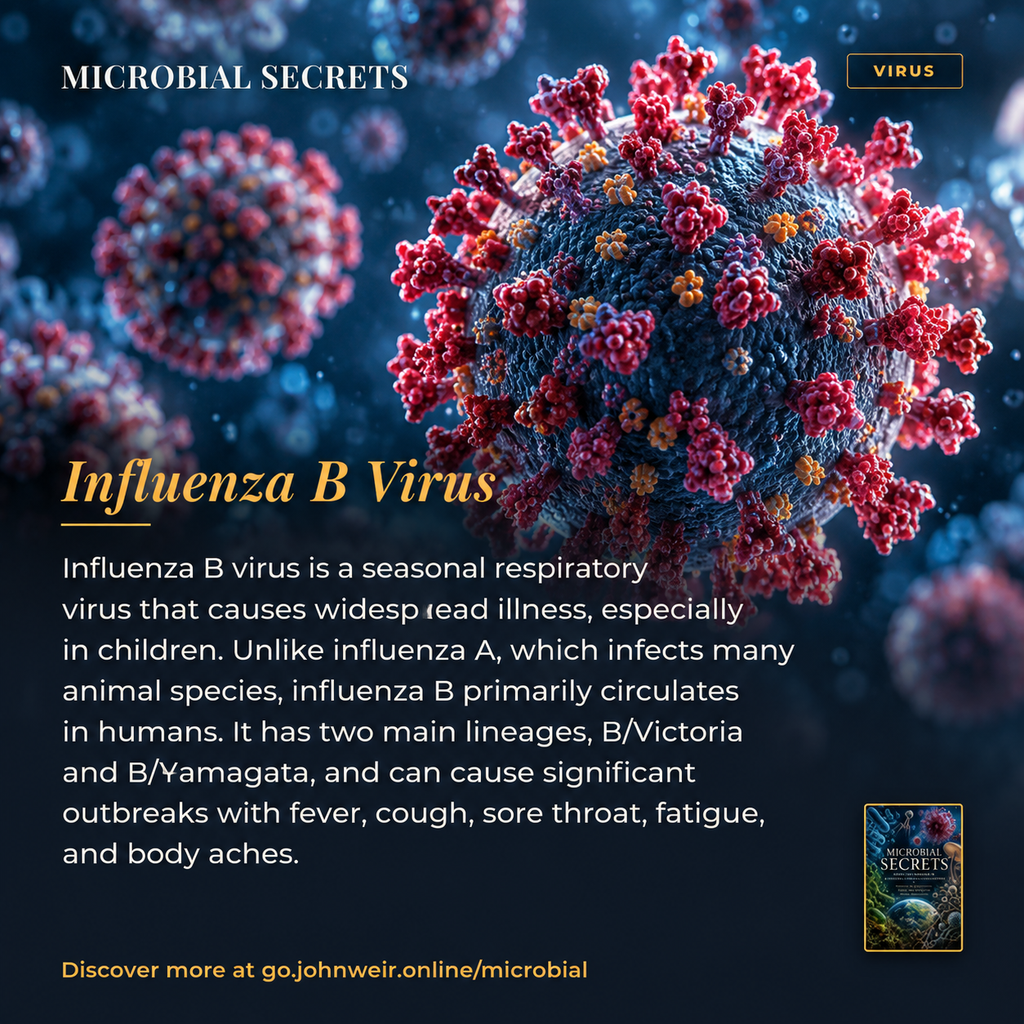
In the first post in this series, I laid out four variables that drive smart disinfectant selection: microbial targets, contact time, chemistry, and EPA registration. Each one deserves a deeper look. This post focuses on the first and most foundational: knowing exactly which organisms you are targeting and why that determines which disinfectant belongs in your team’s hands.
Choosing the right disinfectant is a critical decision for environmental services (EVS) professionals, impacting patient safety and infection control. Selection involves understanding microbial targets, proper application practices, chemical properties, and regulatory compliance.
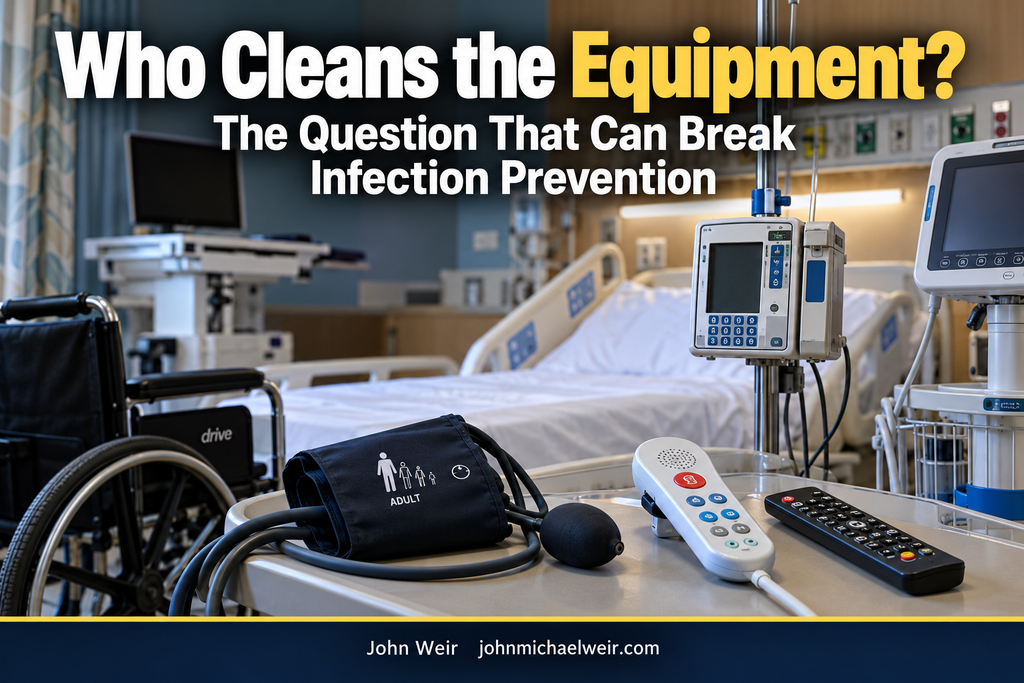
When you think of the word “clean,” you might picture a sparkling kitchen counter. But in a hospital operating room, “clean” is a term of microscopic precision, where the stakes are infinitely higher. For the highly trained Environmental Services (EVS) technicians responsible for this environment, cleaning is not about tidiness—it is a critical, non-negotiable component of patient safety.
The Essential Workflow for Operating Room Terminal Cleaning
Analogy for Understanding: Think of Candida auris like a “microscopic ghost.” Long after a patient has been discharged, the fungus remains haunting the surfaces of the room. Using standard cleaners is like dusting the furniture while the ghost remains; only periodic interventions like this will truly clear the space for the next patient.
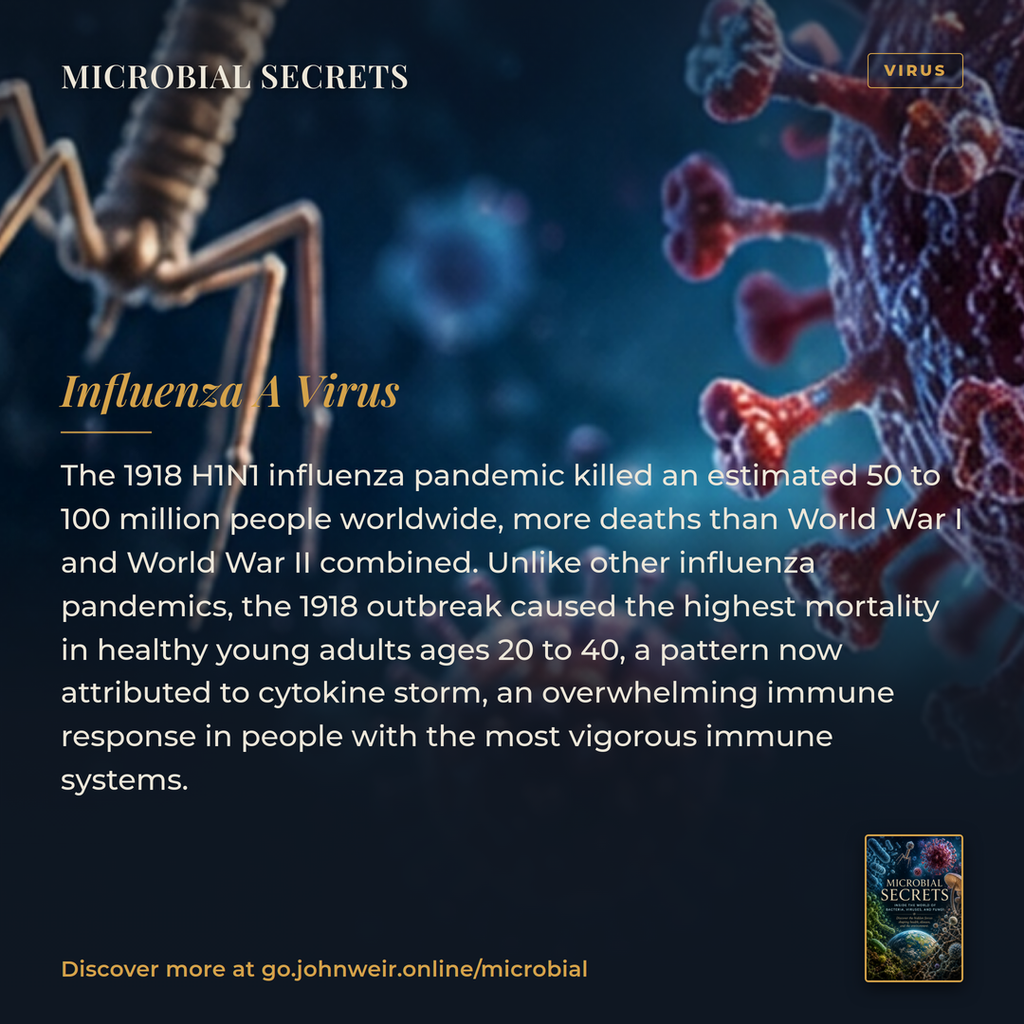
Microbes are everywhere—on your skin, in the air you breathe, and in the food you eat. They form a vast, invisible universe that shapes our lives in profound ways. While we often think of “germs” as simple enemies to be defeated, their stories are far more complex, surprising, and fascinating than we can imagine. From their discovery and evolution to their impact on our health, the interplay between microbes and humanity is a journey through the quirks and mysteries of life at the microscopic level.
What is the first thing you notice when you enter a hotel or hospital room? I believe, most people register a simple impression: it is either clean and smells fresh, or it isn’t. This feeling of cleanliness gives us a sense of safety and comfort, a sign that professionals have worked tirelessly to prepare the space just for us. But what if that sterile scent masks an invisible world with a dramatic history of its own?
In a world increasingly dominated by online shopping, the convenience of ordering cleaning supplies from a big online distributor can be tempting for both businesses and individual consumers.
Why we don’t use phenolics around babies
Phenolic compounds have played a defining role in the history of medical disinfection, shaping modern practices in infection control and hospital hygiene. Their story is one of discovery, innovation, and ongoing evolution as scientists and healthcare professionals sought better ways to prevent the spread of disease.
Washington’s state hospitals grew rapidly between the 1920s and 1940s. By 1930, Western and Eastern State Hospitals housed thousands of patients, many of whom lived in appalling conditions. Despite the increased scale, there was no corresponding improvement in cleaning practices or worker protections. Institutional housekeeping remained a custodial function assigned to patients or underpaid staff without training.
Cleaning methods focused on visible tidiness rather than microbial safety. Chemical use was unregulated, and tools were rudimentary. Staff and patients were exposed to pathogens, toxic substances, and unsafe physical environments. There were no systems for reporting workplace injuries or exposures. Institutional goals prioritized containment over care, and the human dignity of workers and residents was largely ignored.